


AIOps managed service for Azure
Fewer incidents reach a human, and the ones that do arrive with context. We run event correlation, automated triage and versioned runbooks across your Azure production estate.
Alert volume grows faster than headcount
Each new service adds its own dashboards, thresholds and alert rules, so signal volume grows with the estate while the on-call rota stays the same size. Severity then gets decided by whoever answers first, and the same incident is investigated from scratch every time it recurs.
Before any model can triage anything, you need telemetry that agrees with itself: OpenTelemetry instrumentation, consistent resource tagging enforced by Azure Policy, and a service map someone maintains. Without that baseline, automation only routes noise faster, which is why we fix the signal before attaching correlation and runbooks. This is a data decision before it is a tooling one.













Detect, triage, resolve, improve
Continuous operation with automation first and a human where the decision matters.
Detect
AI-driven monitoring and anomaly detection across the estate
Correlate
Events correlated across systems for root cause, not symptoms
Resolve
Automated triage and runbook execution, escalation when needed
Improve
Recurring causes removed and automation extended each cycle
What a managed AIOps service takes off your team
Five operational realities, handled as a service.
Reactive firefighting. The team spends its week responding instead of improving anything.
Alert fatigue. Thousands of alerts, most of them meaningless, all of them ignored.
Manual triage. Every incident starts with the same diagnostic steps, done by hand.
Knowledge in people. Resolution depends on who is on shift and what they remember.
Cost and risk unwatched. Infrastructure and AI spend, and AI-specific risks, have no owner in operations.
What the service includes
We run the monitoring, correlation and triage layer on your Azure estate: Azure Monitor and Log Analytics as the signal source, Microsoft Defender for Cloud alerts in the same queue, AI risk checks for prompt injection and model drift, and Azure Cost Management data in the monthly report. The applications stay yours. If your production estate runs fewer than roughly thirty services and one on-call rota, manual triage is cheaper and we will say so.
Intelligent monitoring
AI-driven monitoring, anomaly detection and alerting across infrastructure, applications and AI workloads.
Automated incident management
Detection, triage and resolution automated, with escalation paths defined.
Observability and reliability
End-to-end observability with SLOs and continuous performance optimization.
Governance and cost
Operational governance, automation of controls and FinOps for infrastructure and AI usage.
Where this has already been done
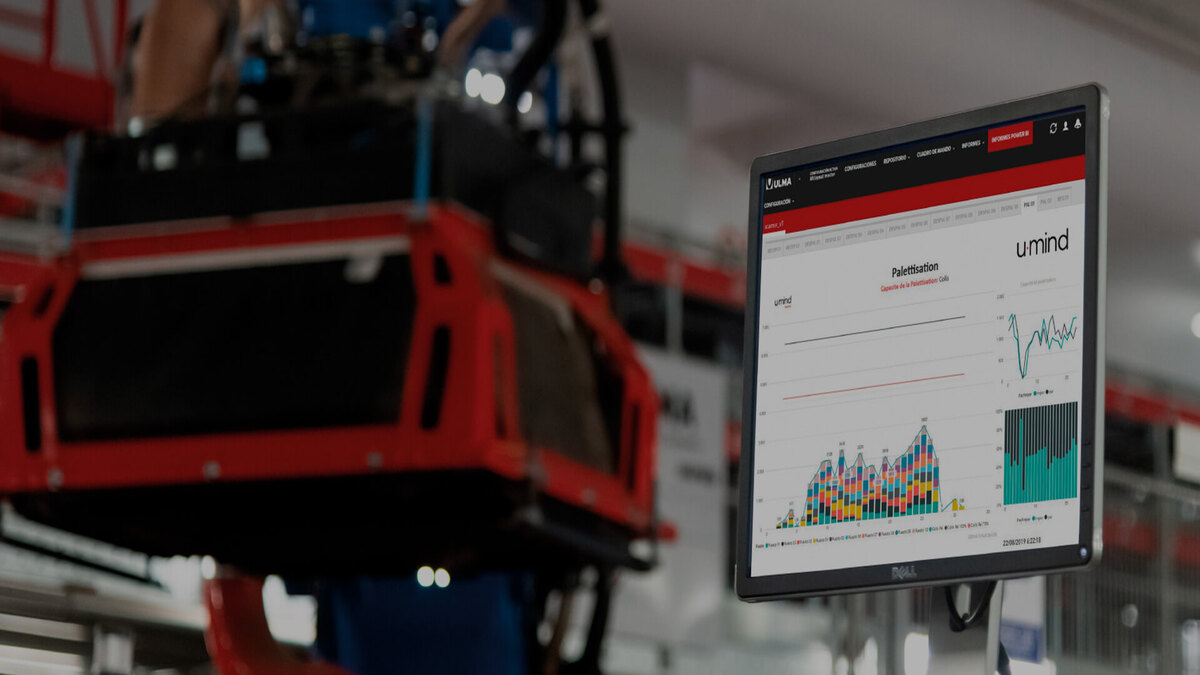
Logistics facilities monitored and operated from the cloud
Industrial logistics installations that needed continuous supervision and interaction, beyond what on-site systems could provide.
We hosted their U-MIND Sentinel supervisor system in the cloud, enabling monitoring and interaction with the facilities.
Continuous supervision of industrial operations from a cloud platform.
Review your alert baseline
Ninety minutes on your current alert volume, on-call rota and Azure Monitor setup. You leave with a written triage baseline and the gaps listed.
Book the baseline review