


SDLC foundations and CI/CD setup
Releases become routine instead of an event: automated build, test and deploy pipelines, reproducible environments and traceable changes, set up with your engineers on the stack you already run.
Manual releases become the constraint as teams grow
Craft-based delivery holds up while a team is small, then breaks as headcount grows: automation stays partial, testing stays manual, and each release depends on whoever remembers the steps. The cost is not one slow deployment but a delivery system nobody can reason about or repeat.
A solid SDLC is the precondition for everything that comes after it, including AI-assisted development. On a weak delivery system, any accelerator multiplies the mess faster. So the decision is not whether to automate later, but whether you fix pipelines, branching standards and traceability before you add anything on top.
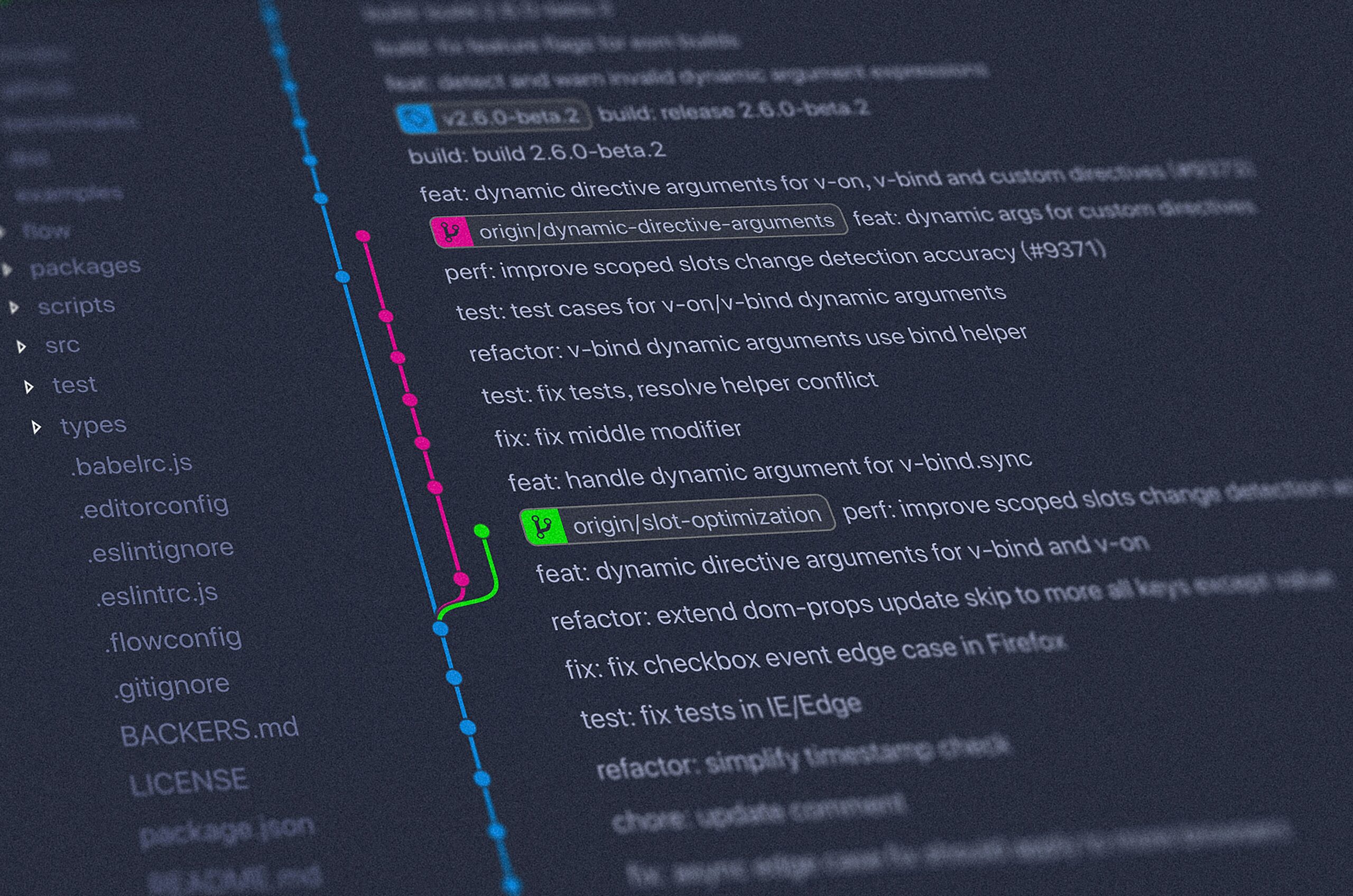












From craft-based delivery to a pipeline you can trust
A time-boxed path. Each milestone leaves the team with something running, not with a document describing what should be running.
Baseline and standards
How the team builds, branches and releases today, and the coding, review and quality standards everyone will follow from here.
Pipeline in place
Build, test and deploy automated end to end, with environments reproducible and every change traceable from commit to production.
Quality gates
Automated checks that stop a change before it spreads: tests, static analysis, security scanning and dependency control inside the pipeline.
Handover and metrics
Lead time, deployment frequency and success rate measured, with the team running the pipeline without us in the room.
What the engagement includes
The output is a working pipeline your teams run in production, not a target-state architecture document. Not a fit for single-team products released once a quarter, or for codebases still outside version control.
- 01Engineering baseline
- 02CI/CD pipelines
- 03Quality gates
- 04Delivery metrics
Engineering baseline
Branching model, coding and review standards, definition of done and a repository structure a new joiner can read without a guided tour.
CI/CD pipelines
Build, test and deployment automated across environments, with rollbacks and reproducible infrastructure behind them.
Quality gates
Automated tests, static analysis, security scanning and dependency control that block a change before it reaches the main branch.
Delivery metrics
Lead time, deployment frequency, change failure rate and recovery time instrumented from day one, so improvement is visible and arguable.
What makes releases slow, and what replaces it
None of these is exotic. All of them compound as the team grows.
Releases are events. Deployments get planned, supervised and occasionally postponed, because nobody is sure what will happen.
It works on my machine. Environments differ enough that reproducing a bug is its own project.
Testing happens late and by hand. Validation is squeezed in before the release, when fixing anything is expensive.
Key-person dependency. Only one or two people know the deployment steps, and holidays become a risk.
No way to prove improvement. Nobody can say whether delivery got better or worse this quarter.
Where this has already been done

CI/CD and cloud migration on Azure, for deployments that stopped being a risk
An IT infrastructure where releases were manual and environments unpredictable, holding back the pace the business needed.
We implemented CI/CD and migrated the platform to Azure, with reproducible environments and an automated path to production.
More reliable, scalable and secure deployments, run by their own team.
Set the delivery baseline first
Two weeks, a few hours of your engineers’ time, and you leave with a mapped release flow and a pipeline plan for your stack.
Book the delivery assessment